Cisco utbildning

Insoft Services är en av få utbildningsleverantörer inom EMEAR som erbjuder hela utbudet av Cisco-certifiering och specialiserad teknikutbildning.

Läs mer

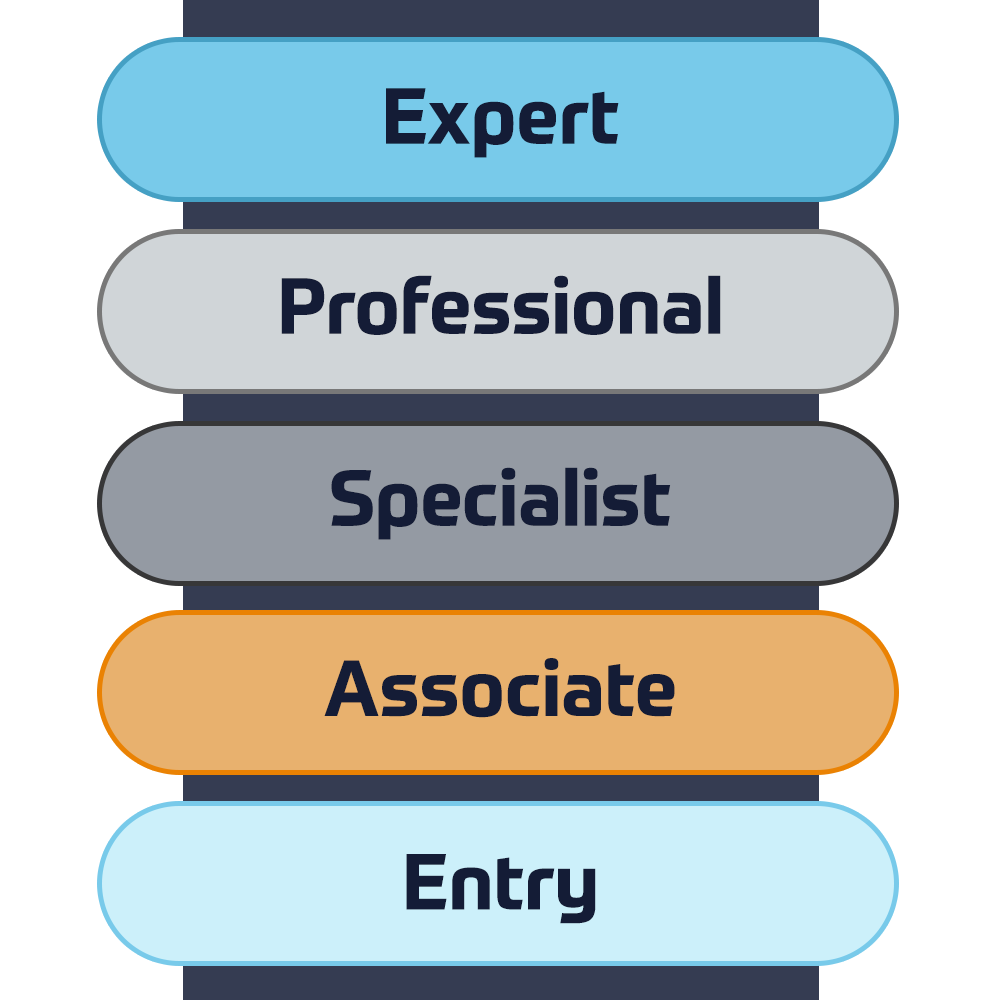
Cisco-certifieringar

Upplev en blandad inlärningsmetod som kombinerar det bästa av instruktörsledd utbildning och e-lärande i egen takt för att hjälpa dig att förbereda dig för ditt certifieringsprov.

Läs mer

Cisco Learning Credits

Cisco Learning Credits (CLC) är förbetalda utbildningskuponger som löses in direkt med Cisco och som gör det enklare att planera för din framgång när du köper Ciscos produkter och tjänster.

Läs mer

Cisco Fortbildning

Ciscos fortbildningsprogram erbjuder alla aktiva certifikatinnehavare flexibla alternativ för att omcertifiera genom att slutföra en mängd olika kvalificerade utbildningsartiklar.

Läs mer

Cisco Digital Learning

Certifierade medarbetare är VÄRDERADE tillgångar. Utforska Ciscos officiella digitala utbildningsbibliotek för att utbilda dig själv genom inspelade sessioner.

Läs mer

Partner för affärsaktivering

Cisco Business Enablement Partner Program fokuserar på att vässa affärskunskaperna hos Cisco Channel Partners och kunder.

Läs mer

Cisco Kurskatalog

Läs mer

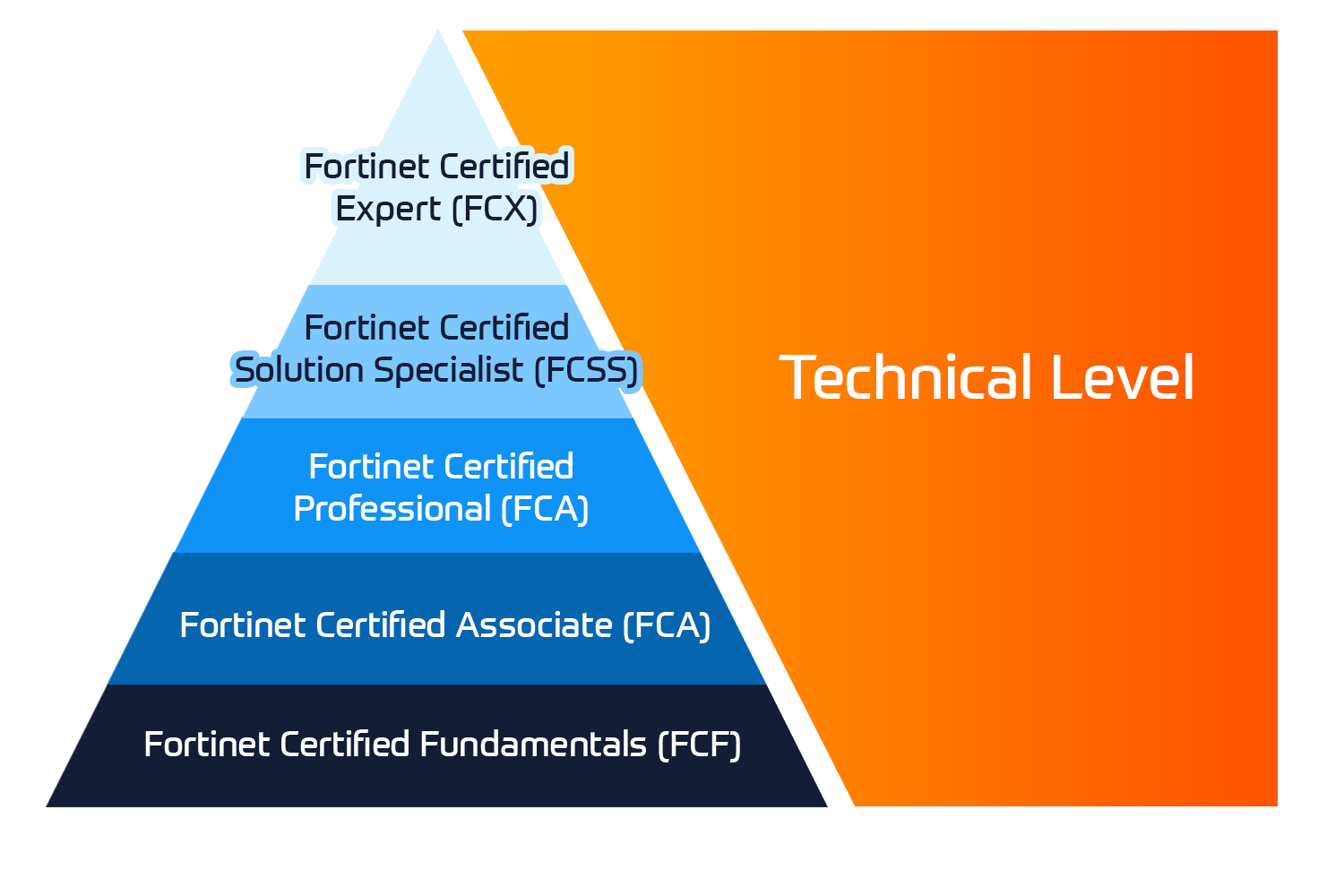
Fortinet-certifieringar

Fortinet Network Security Expert (NSE) -programmet är ett utbildnings- och certifieringsprogram på åtta nivåer för att lära ingenjörer om deras nätverkssäkerhet för Fortinet FW-färdigheter och erfarenheter.

Tekniska utbildningar


Tekniska utbildningar

Insoft är erkänt som Fortinet Authorized Training Center på utvalda platser i EMEA.

Läs mer

Fortinet Kurskatalog

Utforska ett brett utbud av Fortinet-scheman i olika länder samt onlinekurser.

Läs mer

ATC-status

Kolla in vår ATC-status i utvalda länder i Europa.

Läs mer

Fortinet Professionella tjänster

Globalt erkända team av certifierade experter hjälper dig att göra en smidigare övergång med våra fördefinierade konsult-, installations- och migreringspaket för ett brett utbud av Fortinet-produkter.

Läs mer

aws-utbildning

Utbildningen inkluderar labb i egen takt för praktisk AWS-övning i verkliga scenarier, så att du kan lära dig i din egen takt, i klassen, på jobbet eller online.

Tekniska utbildningar

Extreme-utbildning

Lär dig exceptionella kunskaper och färdigheter i Extreme Networks.

Technische Kurse

Tekniske-certifieringar

Vi tillhandahåller omfattande läroplan för tekniska kompetensfärdigheter på certifieringsprestationen.

Läs mer

Extreme Kurskatalog

Hier finden Sie alle Extreme Networks online und den von Lehrern geleiteten Kalender für den Klassenraum.

Läs mer

ATP-ackreditering

Som auktoriserad utbildningspartner (ATP) säkerställer Insoft Services att du får de högsta tillgängliga utbildningsstandarderna.

Läs mer

Konsultpaket

Vi erbjuder innovativt och avancerat stöd för att designa, implementera och optimera IT-lösningar.Vår kundbas inkluderar några av de största telekombolagen globalt.

Lösningar och tjänster

Globalt erkända team av certifierade experter hjälper dig att göra en smidigare övergång med våra fördefinierade konsult-, installations- och migreringspaket för ett brett utbud av Fortinet-produkter.


Om oss

Insoft Tillhandahåller auktoriserade utbildnings- och konsulttjänster för utvalda IP-leverantörer.Lär dig hur vi revolutionerar branschen.

Läs mer

  • +46 8 502 431 88
  • Planning and Designing Databases on AWS

    Duration
    3 Dagar
    Delivery
    (Online och på plats)
    Price
    Pris på begäran

    In this course, you will learn about planning and designing your solutions with purpose-built Amazon Web Services (AWS) Cloud databases. The course introduces you to the features and characteristics of each of these databases and shares the design considerations that you should make while using them. By taking this course, you can develop the analytical skills needed to choose the right AWS database for your unique needs. By the end of the course, you will be able to analyze a business use case, analyze the workload, and assess application requirements to identify and design the most suitable AWS database solution to support your organizational needs.


    • Course level: Intermediate

    In this course, you will learn how to do the following:

    • Summarize the AWS Well-Architected Framework for designing database solutions.
    • Choose an appropriate purpose-built database service for a given workload.
    • Design a relational database solution to solve a business problem.
    • Design a NoSQL database solution to solve a business problem.
    • Analyze data from multiple databases to solve a business problem.
    • Discuss the security considerations for your database solution.

    Day 1


    Module 0: Course Introduction

    • Course overview

    Module 1: AWS Purpose-Built Databases

    • Discussing well-architected databases
    • Analyzing workload requirements
    • Choosing the data model
    • Choosing the right purpose-built database
    • Knowledge check

    Module 2: Amazon Relational Database Service (Amazon RDS)

    • Discussing a relational database
    • What is Amazon RDS?
    • Why Amazon RDS?
    • Amazon RDS design considerations
    • Knowledge check

    Module 3: Amazon Aurora

    • What is Amazon Aurora?
    • Why Amazon Aurora?
    • Aurora design considerations
    • Knowledge check

    Challenge Lab 1: Working with Amazon Aurora databases


    Day 2


    Class Activity 1: Choose the Right Relational Database

    Module 4: Amazon DynamoDB

    • Discussing a key value database
    • What is DynamoDB?
    • Why DynamoDB?
    • DynamoDB design considerations
    • Knowledge check

    Module 5: Amazon Keyspaces (for Apache Cassandra)

    • Discussing a wide-column database
    • What is Apache Cassandra?
    • What is Amazon Keyspaces?
    • Why Amazon Keyspaces?
    • Amazon Keyspaces design considerations
    • Knowledge check

    Module 6: Amazon DocumentDB (with MongoDB compatibility)

    • Discussing a document database
    • What is Amazon DocumentDB?
    • Why Amazon DocumentDB?
    • Amazon DocumentDB design considerations
    • Knowledge check

    Module 7: Amazon Quantum Ledger Database (Amazon QLDB)

    • Discussing a ledger database
    • What is Amazon QLDB?
    • Why Amazon QLDB?
    • Amazon QLDB design considerations
    • Knowledge check

    Class Activity 2: Choose the Right Nonrelational Database

    Challenge Lab 2: Working with Amazon DynamoDB Tables


    Day 3


    Module 8: Amazon Neptune

    • Discussing a graph database
    • What is Amazon Neptune?
    • Why Amazon Neptune?
    • Amazon Neptune design considerations
    • Knowledge check

    Module 9: Amazon Timestream

    • Discussing a timeseries database
    • What is Amazon Timestream?
    • Why Amazon Timestream?
    • Amazon Timestream design considerations
    • Knowledge check

    Module 10: Amazon ElastiCache

    • Discussing an in-memory database
    • What is ElastiCache?
    • Why ElastiCache?
    • ElastiCache design considerations
    • Knowledge check

    Module 11: Amazon MemoryDB for Redis

    • What is Amazon MemoryDB (for Redis)?
    • Why Amazon MemoryDB?
    • Amazon MemoryDB design considerations
    • Knowledge check

    Class Activity 3: Let’s Cache In

    Module 12: Amazon Redshift

    • Discussing a data warehouse
    • What is Amazon Redshift?
    • Why Amazon Redshift?
    • Amazon Redshift design considerations
    • Knowledge check

    Module 13: Tools for Working with AWS Databases

    • Data access and analysis with Amazon Athena
    • Data migration with SCT and DMS

    Class Activity 4: Overall Picture

    Challenge Lab 3: Working with Amazon Redshift clusters

    This course is intended for learners in the following roles:

    • Solutions architects
    • Database architects
    • Developers

    We recommend the following prerequisites for attendees of this course:

    • Familiarity with AWS database services
    • Understanding of database design concepts and/or data modeling for relational or nonrelational databases
    • Familiarity with cloud computing concepts
    • Familiarity with general networking and encryption concepts
    • Completion of the digital course Introduction to Building with AWS Databases

    In this course, you will learn about planning and designing your solutions with purpose-built Amazon Web Services (AWS) Cloud databases. The course introduces you to the features and characteristics of each of these databases and shares the design considerations that you should make while using them. By taking this course, you can develop the analytical skills needed to choose the right AWS database for your unique needs. By the end of the course, you will be able to analyze a business use case, analyze the workload, and assess application requirements to identify and design the most suitable AWS database solution to support your organizational needs.


    • Course level: Intermediate

    In this course, you will learn how to do the following:

    • Summarize the AWS Well-Architected Framework for designing database solutions.
    • Choose an appropriate purpose-built database service for a given workload.
    • Design a relational database solution to solve a business problem.
    • Design a NoSQL database solution to solve a business problem.
    • Analyze data from multiple databases to solve a business problem.
    • Discuss the security considerations for your database solution.

    Day 1


    Module 0: Course Introduction

    • Course overview

    Module 1: AWS Purpose-Built Databases

    • Discussing well-architected databases
    • Analyzing workload requirements
    • Choosing the data model
    • Choosing the right purpose-built database
    • Knowledge check

    Module 2: Amazon Relational Database Service (Amazon RDS)

    • Discussing a relational database
    • What is Amazon RDS?
    • Why Amazon RDS?
    • Amazon RDS design considerations
    • Knowledge check

    Module 3: Amazon Aurora

    • What is Amazon Aurora?
    • Why Amazon Aurora?
    • Aurora design considerations
    • Knowledge check

    Challenge Lab 1: Working with Amazon Aurora databases


    Day 2


    Class Activity 1: Choose the Right Relational Database

    Module 4: Amazon DynamoDB

    • Discussing a key value database
    • What is DynamoDB?
    • Why DynamoDB?
    • DynamoDB design considerations
    • Knowledge check

    Module 5: Amazon Keyspaces (for Apache Cassandra)

    • Discussing a wide-column database
    • What is Apache Cassandra?
    • What is Amazon Keyspaces?
    • Why Amazon Keyspaces?
    • Amazon Keyspaces design considerations
    • Knowledge check

    Module 6: Amazon DocumentDB (with MongoDB compatibility)

    • Discussing a document database
    • What is Amazon DocumentDB?
    • Why Amazon DocumentDB?
    • Amazon DocumentDB design considerations
    • Knowledge check

    Module 7: Amazon Quantum Ledger Database (Amazon QLDB)

    • Discussing a ledger database
    • What is Amazon QLDB?
    • Why Amazon QLDB?
    • Amazon QLDB design considerations
    • Knowledge check

    Class Activity 2: Choose the Right Nonrelational Database

    Challenge Lab 2: Working with Amazon DynamoDB Tables


    Day 3


    Module 8: Amazon Neptune

    • Discussing a graph database
    • What is Amazon Neptune?
    • Why Amazon Neptune?
    • Amazon Neptune design considerations
    • Knowledge check

    Module 9: Amazon Timestream

    • Discussing a timeseries database
    • What is Amazon Timestream?
    • Why Amazon Timestream?
    • Amazon Timestream design considerations
    • Knowledge check

    Module 10: Amazon ElastiCache

    • Discussing an in-memory database
    • What is ElastiCache?
    • Why ElastiCache?
    • ElastiCache design considerations
    • Knowledge check

    Module 11: Amazon MemoryDB for Redis

    • What is Amazon MemoryDB (for Redis)?
    • Why Amazon MemoryDB?
    • Amazon MemoryDB design considerations
    • Knowledge check

    Class Activity 3: Let’s Cache In

    Module 12: Amazon Redshift

    • Discussing a data warehouse
    • What is Amazon Redshift?
    • Why Amazon Redshift?
    • Amazon Redshift design considerations
    • Knowledge check

    Module 13: Tools for Working with AWS Databases

    • Data access and analysis with Amazon Athena
    • Data migration with SCT and DMS

    Class Activity 4: Overall Picture

    Challenge Lab 3: Working with Amazon Redshift clusters

    This course is intended for learners in the following roles:

    • Solutions architects
    • Database architects
    • Developers

    We recommend the following prerequisites for attendees of this course:

    • Familiarity with AWS database services
    • Understanding of database design concepts and/or data modeling for relational or nonrelational databases
    • Familiarity with cloud computing concepts
    • Familiarity with general networking and encryption concepts
    • Completion of the digital course Introduction to Building with AWS Databases
      Datum
    • ` 29 Dec - 31 Dec, 2025
    • ` 26 Jan - 28 Jan, 2026
    • ` 23 Feb - 25 Feb, 2026
    • ` 23 Mar - 25 Mar, 2026
    • ` 20 Apr - 22 Apr, 2026
    • ` 18 May - 20 May, 2026

    Follow Up Courses

    Filtrera
    • 2 Dagar
      Datum på begäran
      Price on Request
      Book Now
    • 3 Dagar
      Datum på begäran
      Price on Request
      Book Now
    • 3 Dagar
      Datum på begäran
      Price on Request
      Book Now
    • 3 Dagar
      Datum på begäran
      Price on Request
      Book Now
    • 3 Dagar
      Datum på begäran
      Price on Request
      Book Now
    • 3 Dagar
      Datum på begäran
      Price on Request
      Book Now
    • 1 Dag
      Datum på begäran
      Price on Request
      Book Now
    • 2 Dagar
      Datum på begäran
      Price on Request
      Book Now
    • 3 Dagar
      Datum på begäran
      Price on Request
      Book Now
    • 1 Dag
      Datum på begäran
      Price on Request
      Book Now

    Know someone who´d be interested in this course?
    Let them know...

    Use the hashtag #InsoftLearning to talk about this course and find students like you on social media.