Cisco-Ausbildung

Insoft Services ist einer der wenigen Schulungsanbieter in EMEAR, der ein umfassendes Angebot an Cisco-Zertifizierungen und spezialisierten Technologieschulungen anbietet.

Lesen Sie mehr

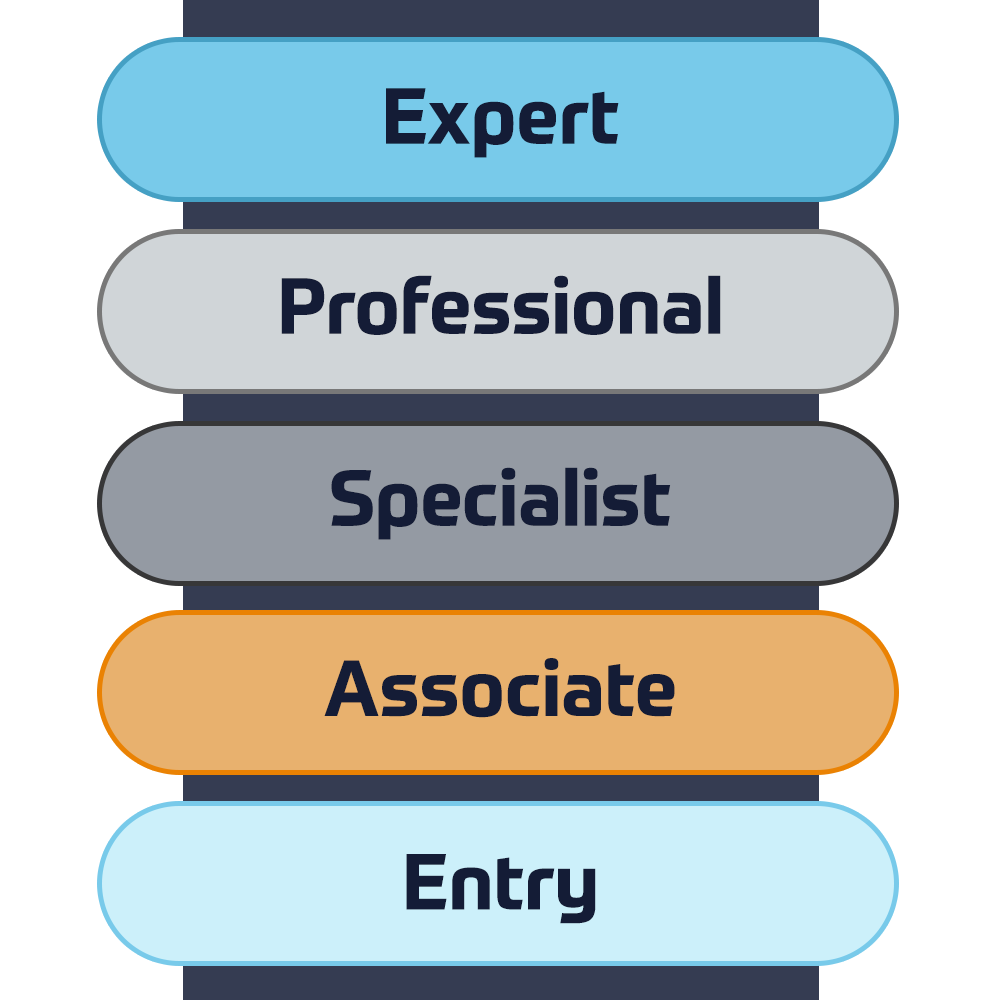
Cisco Zertifizierungen

Erleben Sie einen Blended-Learning-Ansatz, der das Beste aus von Lehrern geleiteten Schulungen und E-Learning zum Selbststudium kombiniert, um sich auf Ihre Zertifizierungsprüfung vorzubereiten.

Lesen Sie mehr

Cisco Learning Credits

Cisco Learning Credits (CLCs) sind Prepaid-Schulungsgutscheine, die direkt bei Cisco eingelöst werden und die Planung für Ihren Erfolg beim Kauf von Cisco-Produkten und -Services erleichtern.

Lösen Sie Ihre CLCs ein

Cisco Continuing Education

Das Cisco Continuing Education Program bietet allen aktiven Zertifizierungsinhabern flexible Optionen zur Rezertifizierung, indem sie eine Vielzahl von in Frage kommenden Schulungselementen absolvieren.

Lesen Sie mehr

Cisco Digital Learning

Zertifizierte Mitarbeiter sind GESCHÄTZTE Vermögenswerte. Erkunden Sie die offizielle Digital Learning Library von Cisco, um sich durch aufgezeichnete Sitzungen weiterzubilden.

CDLL-Katalog

Cisco Business Enablement

Das Cisco Business Enablement Partner Program konzentriert sich auf die Verbesserung der Geschäftsfähigkeiten von Cisco Channel Partnern und Kunden.

Lesen Sie mehr

Cisco Schulungskatalog

Lesen Sie mehr

Technische Zertifizierung

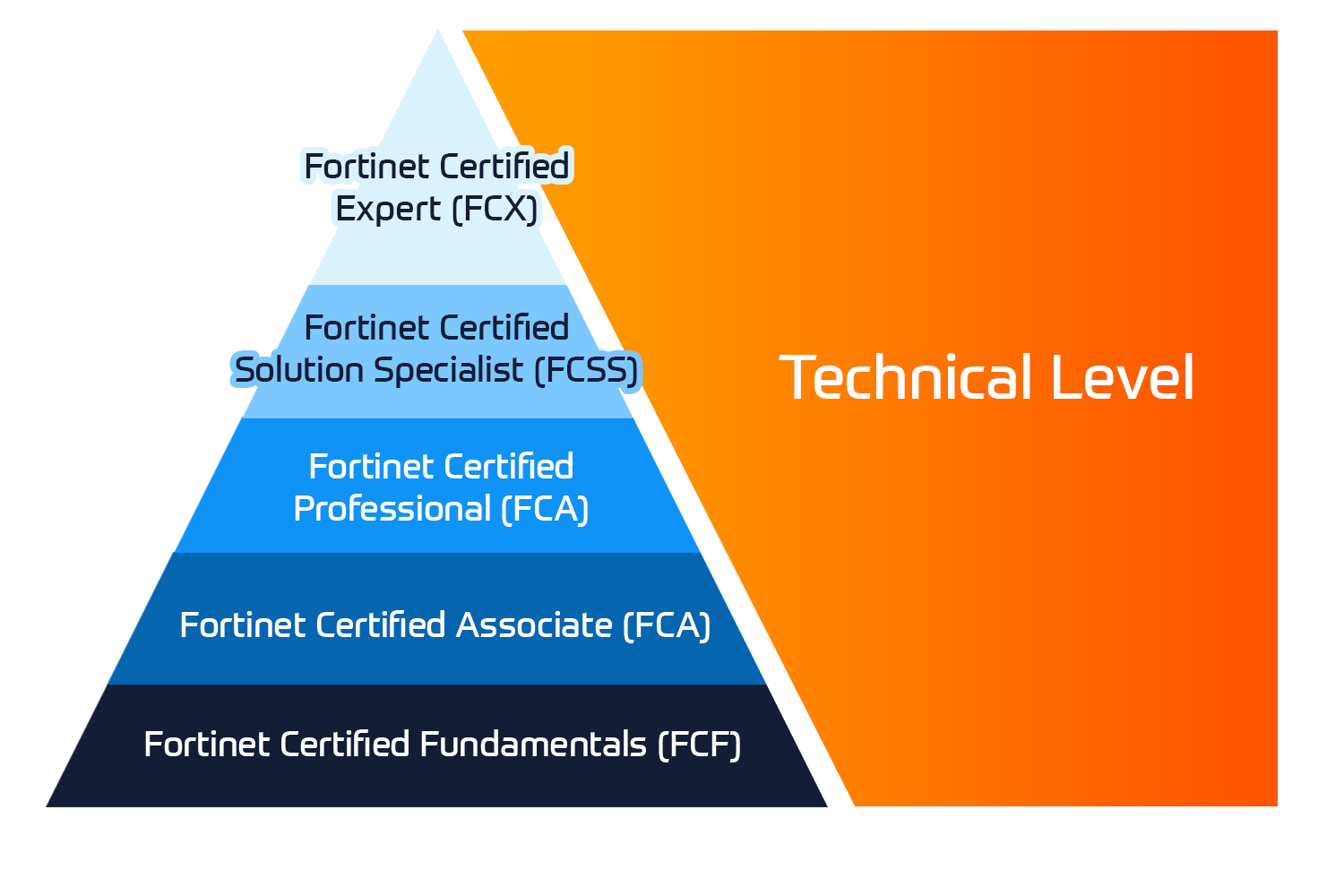
Das Fortinet Network Security Expert (NSE) -Programm ist ein achtstufiges Schulungs- und Zertifizierungsprogramm, um Ingenieuren ihre Netzwerksicherheit für Fortinet FW-Fähigkeiten und -Erfahrungen beizubringen.

Technische Kurse


Fortinet-Ausbildung

Insoft ist als Fortinet Authorized Training Center an ausgewählten Standorten in EMEA anerkannt.

Lesen Sie mehr

Fortinet Schulungskatalog

Lesen Sie mehr

ATC Status

Überprüfen Sie unseren ATC-Status in ausgewählten Ländern in Europa.

Lesen Sie mehr

Fortinet Service-Pakete

Insoft Services hat eine spezielle Lösung entwickelt, um den Prozess der Installation oder Migration zu Fortinet-Produkten zu rationalisieren und zu vereinfachen.

Lesen Sie mehr

Microsoft-Ausbildung

Insoft Services bietet Microsoft-Schulungen in EMEAR an. Wir bieten technische Schulungen und Zertifizierungskurse von Microsoft an, die von erstklassigen Instruktoren geleitet werden.

Technische Kurse


Extreme-Ausbildung

Erfahren Sie außergewöhnliche Kenntnisse und Fähigkeiten von Extreme Networks.

Technische Kurse

Technische Zertifizierung

Wir bieten einen umfassenden Lehrplan für technische Kompetenzen zur Zertifizierung an.

Lesen Sie mehr

Extreme Schulungskatalog

Hier finden Sie alle Extreme Networks online und den von Lehrern geleiteten Kalender für den Klassenraum.

Lesen Sie mehr

ATP-Akkreditierung

Als autorisierter Schulungspartner (ATP) stellt Insoft Services sicher, dass Sie die höchsten verfügbaren Bildungsstandards erhalten.

Lesen Sie mehr

Lösungen & Dienstleistungen

Wir bieten innovative und fortschrittliche Unterstützung bei der Konzeption, Implementierung und Optimierung von IT-Lösungen. Unsere Kundenbasis umfasst einige der größten Telcos weltweit.

Beratungspakete

Ein weltweit anerkanntes Team von zertifizierten Experten unterstützt Sie bei einem reibungsloseren Übergang mit unseren vordefinierten Beratungs-, Installations- und Migrationspaketen für eine breite Palette von Fortinet-Produkten.


Über uns

Insoft bietet autorisierte Schulungs- und Beratungsdienstleistungen für ausgewählte IP-Anbieter. Erfahren Sie, wie wir die Branche revolutionieren.

Lesen Sie mehr

  • +49 6151 277 6496
  • Planning and Designing Databases on AWS

    Duration
    3 Tage
    Delivery
    (Online Und Vor Ort)
    Price
    Preis auf Anfrage

    In this course, you will learn about planning and designing your solutions with purpose-built Amazon Web Services (AWS) Cloud databases. The course introduces you to the features and characteristics of each of these databases and shares the design considerations that you should make while using them. By taking this course, you can develop the analytical skills needed to choose the right AWS database for your unique needs. By the end of the course, you will be able to analyze a business use case, analyze the workload, and assess application requirements to identify and design the most suitable AWS database solution to support your organizational needs.


    • Course level: Intermediate

    In this course, you will learn how to do the following:

    • Summarize the AWS Well-Architected Framework for designing database solutions.
    • Choose an appropriate purpose-built database service for a given workload.
    • Design a relational database solution to solve a business problem.
    • Design a NoSQL database solution to solve a business problem.
    • Analyze data from multiple databases to solve a business problem.
    • Discuss the security considerations for your database solution.

    Day 1


    Module 0: Course Introduction

    • Course overview

    Module 1: AWS Purpose-Built Databases

    • Discussing well-architected databases
    • Analyzing workload requirements
    • Choosing the data model
    • Choosing the right purpose-built database
    • Knowledge check

    Module 2: Amazon Relational Database Service (Amazon RDS)

    • Discussing a relational database
    • What is Amazon RDS?
    • Why Amazon RDS?
    • Amazon RDS design considerations
    • Knowledge check

    Module 3: Amazon Aurora

    • What is Amazon Aurora?
    • Why Amazon Aurora?
    • Aurora design considerations
    • Knowledge check

    Challenge Lab 1: Working with Amazon Aurora databases


    Day 2


    Class Activity 1: Choose the Right Relational Database

    Module 4: Amazon DynamoDB

    • Discussing a key value database
    • What is DynamoDB?
    • Why DynamoDB?
    • DynamoDB design considerations
    • Knowledge check

    Module 5: Amazon Keyspaces (for Apache Cassandra)

    • Discussing a wide-column database
    • What is Apache Cassandra?
    • What is Amazon Keyspaces?
    • Why Amazon Keyspaces?
    • Amazon Keyspaces design considerations
    • Knowledge check

    Module 6: Amazon DocumentDB (with MongoDB compatibility)

    • Discussing a document database
    • What is Amazon DocumentDB?
    • Why Amazon DocumentDB?
    • Amazon DocumentDB design considerations
    • Knowledge check

    Module 7: Amazon Quantum Ledger Database (Amazon QLDB)

    • Discussing a ledger database
    • What is Amazon QLDB?
    • Why Amazon QLDB?
    • Amazon QLDB design considerations
    • Knowledge check

    Class Activity 2: Choose the Right Nonrelational Database

    Challenge Lab 2: Working with Amazon DynamoDB Tables


    Day 3


    Module 8: Amazon Neptune

    • Discussing a graph database
    • What is Amazon Neptune?
    • Why Amazon Neptune?
    • Amazon Neptune design considerations
    • Knowledge check

    Module 9: Amazon Timestream

    • Discussing a timeseries database
    • What is Amazon Timestream?
    • Why Amazon Timestream?
    • Amazon Timestream design considerations
    • Knowledge check

    Module 10: Amazon ElastiCache

    • Discussing an in-memory database
    • What is ElastiCache?
    • Why ElastiCache?
    • ElastiCache design considerations
    • Knowledge check

    Module 11: Amazon MemoryDB for Redis

    • What is Amazon MemoryDB (for Redis)?
    • Why Amazon MemoryDB?
    • Amazon MemoryDB design considerations
    • Knowledge check

    Class Activity 3: Let’s Cache In

    Module 12: Amazon Redshift

    • Discussing a data warehouse
    • What is Amazon Redshift?
    • Why Amazon Redshift?
    • Amazon Redshift design considerations
    • Knowledge check

    Module 13: Tools for Working with AWS Databases

    • Data access and analysis with Amazon Athena
    • Data migration with SCT and DMS

    Class Activity 4: Overall Picture

    Challenge Lab 3: Working with Amazon Redshift clusters

    This course is intended for learners in the following roles:

    • Solutions architects
    • Database architects
    • Developers

    We recommend the following prerequisites for attendees of this course:

    • Familiarity with AWS database services
    • Understanding of database design concepts and/or data modeling for relational or nonrelational databases
    • Familiarity with cloud computing concepts
    • Familiarity with general networking and encryption concepts
    • Completion of the digital course Introduction to Building with AWS Databases

    In this course, you will learn about planning and designing your solutions with purpose-built Amazon Web Services (AWS) Cloud databases. The course introduces you to the features and characteristics of each of these databases and shares the design considerations that you should make while using them. By taking this course, you can develop the analytical skills needed to choose the right AWS database for your unique needs. By the end of the course, you will be able to analyze a business use case, analyze the workload, and assess application requirements to identify and design the most suitable AWS database solution to support your organizational needs.


    • Course level: Intermediate

    In this course, you will learn how to do the following:

    • Summarize the AWS Well-Architected Framework for designing database solutions.
    • Choose an appropriate purpose-built database service for a given workload.
    • Design a relational database solution to solve a business problem.
    • Design a NoSQL database solution to solve a business problem.
    • Analyze data from multiple databases to solve a business problem.
    • Discuss the security considerations for your database solution.

    Day 1


    Module 0: Course Introduction

    • Course overview

    Module 1: AWS Purpose-Built Databases

    • Discussing well-architected databases
    • Analyzing workload requirements
    • Choosing the data model
    • Choosing the right purpose-built database
    • Knowledge check

    Module 2: Amazon Relational Database Service (Amazon RDS)

    • Discussing a relational database
    • What is Amazon RDS?
    • Why Amazon RDS?
    • Amazon RDS design considerations
    • Knowledge check

    Module 3: Amazon Aurora

    • What is Amazon Aurora?
    • Why Amazon Aurora?
    • Aurora design considerations
    • Knowledge check

    Challenge Lab 1: Working with Amazon Aurora databases


    Day 2


    Class Activity 1: Choose the Right Relational Database

    Module 4: Amazon DynamoDB

    • Discussing a key value database
    • What is DynamoDB?
    • Why DynamoDB?
    • DynamoDB design considerations
    • Knowledge check

    Module 5: Amazon Keyspaces (for Apache Cassandra)

    • Discussing a wide-column database
    • What is Apache Cassandra?
    • What is Amazon Keyspaces?
    • Why Amazon Keyspaces?
    • Amazon Keyspaces design considerations
    • Knowledge check

    Module 6: Amazon DocumentDB (with MongoDB compatibility)

    • Discussing a document database
    • What is Amazon DocumentDB?
    • Why Amazon DocumentDB?
    • Amazon DocumentDB design considerations
    • Knowledge check

    Module 7: Amazon Quantum Ledger Database (Amazon QLDB)

    • Discussing a ledger database
    • What is Amazon QLDB?
    • Why Amazon QLDB?
    • Amazon QLDB design considerations
    • Knowledge check

    Class Activity 2: Choose the Right Nonrelational Database

    Challenge Lab 2: Working with Amazon DynamoDB Tables


    Day 3


    Module 8: Amazon Neptune

    • Discussing a graph database
    • What is Amazon Neptune?
    • Why Amazon Neptune?
    • Amazon Neptune design considerations
    • Knowledge check

    Module 9: Amazon Timestream

    • Discussing a timeseries database
    • What is Amazon Timestream?
    • Why Amazon Timestream?
    • Amazon Timestream design considerations
    • Knowledge check

    Module 10: Amazon ElastiCache

    • Discussing an in-memory database
    • What is ElastiCache?
    • Why ElastiCache?
    • ElastiCache design considerations
    • Knowledge check

    Module 11: Amazon MemoryDB for Redis

    • What is Amazon MemoryDB (for Redis)?
    • Why Amazon MemoryDB?
    • Amazon MemoryDB design considerations
    • Knowledge check

    Class Activity 3: Let’s Cache In

    Module 12: Amazon Redshift

    • Discussing a data warehouse
    • What is Amazon Redshift?
    • Why Amazon Redshift?
    • Amazon Redshift design considerations
    • Knowledge check

    Module 13: Tools for Working with AWS Databases

    • Data access and analysis with Amazon Athena
    • Data migration with SCT and DMS

    Class Activity 4: Overall Picture

    Challenge Lab 3: Working with Amazon Redshift clusters

    This course is intended for learners in the following roles:

    • Solutions architects
    • Database architects
    • Developers

    We recommend the following prerequisites for attendees of this course:

    • Familiarity with AWS database services
    • Understanding of database design concepts and/or data modeling for relational or nonrelational databases
    • Familiarity with cloud computing concepts
    • Familiarity with general networking and encryption concepts
    • Completion of the digital course Introduction to Building with AWS Databases
      Termine
    • ` 29 Dec - 31 Dec, 2025
    • ` 26 Jan - 28 Jan, 2026
    • ` 23 Feb - 25 Feb, 2026
    • ` 23 Mar - 25 Mar, 2026
    • ` 20 Apr - 22 Apr, 2026
    • ` 18 May - 20 May, 2026

    Follow Up Courses

    Filter
    • 2 Tage
      Datum auf Anfrage
      Price on Request
      Book Now
    • 3 Tage
      Datum auf Anfrage
      Price on Request
      Book Now
    • 3 Tage
      Datum auf Anfrage
      Price on Request
      Book Now
    • 3 Tage
      Datum auf Anfrage
      Price on Request
      Book Now
    • 3 Tage
      Datum auf Anfrage
      Price on Request
      Book Now
    • 3 Tage
      Datum auf Anfrage
      Price on Request
      Book Now
    • 1 Tag
      Datum auf Anfrage
      Price on Request
      Book Now
    • 2 Tage
      Datum auf Anfrage
      Price on Request
      Book Now
    • 3 Tage
      Datum auf Anfrage
      Price on Request
      Book Now
    • 1 Tag
      Datum auf Anfrage
      Price on Request
      Book Now

    Know someone who´d be interested in this course?
    Let them know...

    Use the hashtag #InsoftLearning to talk about this course and find students like you on social media.